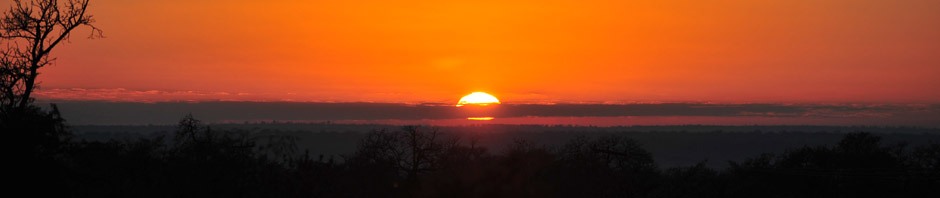

Our daughter, Megan will be teaching her second paint night class tonight, at a bar in downtown Orlando. Tonight’s painting will be the image depicted above.
So last night, Rob and I were her test students on whom she tried out her particular teaching technique for this painting. Usually, the students have paper plates that serve as palettes. Since we didn’t have any paper plates, we used pieces of aluminum foil. We had four basic colors: black, yellow, red, blue. We each had three brushes with tips that were small, medium, and large; a Styrofoam cup filled with water water to clean the brushes; and copious amounts of paper towels.
First, we started with the background – a sunset. The top half of the canvas was a mixture of red and yellow to create a vibrant orange that gradually melted into a soft butter yellow, a bit of green, and purpose to suggest shadows.

The tricky parts were, well, the rest of it – the elephants in silhouette with their trunks forming the heart. Megan wisely broke the elephants down into shapes and advised us to do the shape in yellow or red, so we could blend our mistakes into the background.
We had a big mistake with our original hearts. They were too big and didn’t leave enough room for the elephants. We blended our mistakes into the backgrounds and started over. “Go midway across the canvas,” Megan said. “Go down the length of your index finger, and on the left hand side of the canvas, go in a hand width in and leave a drop of paint. Go down a knuckle on your index finger and leave a second dot directly beneath the first one. Now, create the outline of a heart, starting with the uppermost dot and ending at the lower dot.”
Done.

From this point, she broke down the elephants into shapes – rectangles, trapezoids, Cs, straight lines at angles.

Once we had all the shapes, we began filling in the lines with black – the silhouette effect.

And wow! I’m much happier with my version of this painting than I was of the wine glass painting we did several weeks ago. This process is relaxing, stress-free, fun, and a non-artististic person like me can leave with something to hang on the wall at home!
 OK, so the tusks are a bit weird. They look like worms. But oh well!


