
Day 65 of the oil gusher in the gulf doesn’t look much better than day 64. Or day 58, 57, 56, 55. In fact, every day the disaster continues looks worse than the day before it. Last night on Countdown, there was a discussion about the worst case scenario – that the gusher can’t be stopped. I wondered what my dad would think of this.
He spent nearly 30 years working for Exxon in Venezuela. He went there in 1937, on the heels of the depression in the U.S., a young man hungry for adventure, the touch of the exotic, and a steady paycheck. He wasn’t an engineer, wasn’t one of the oil rig guys. He was an accountant, a numbers man.
His first assignment was in Carapito, on the shores of Lake Maracaibo, one of 17 ancient lakes on the planet, created more than 36 million years ago. It’s rich in oil, now filled with wells and rigs. In those days, the Rockefellers were just beginning to tap into the wealth of oil in that lake. My dad lived in an oil camp, a kind of makeshift village where the gringos were housed. He was single in those days and the women he dated were nurses, teachers, women imported from the U.S. and other countries.

My dad knew the score. From the start, he realized that the U.S. was exploiting Venezuelas’s resources.But he, like the fishermen and shrimpers now cleaning up the gulf coast, needed the work. The alternative was bread lines in the States. There are points in every life where ideology simply can’t trump necessity.
He returned to the U.S. when war broke out and enlisted. He traveled to India and at some point in a furlough, returned to Tulsa, Oklahoma and met my mother on a blind date. Within six months, they were married, and within a year, he took her to Venezuela, where they lived until 1963.
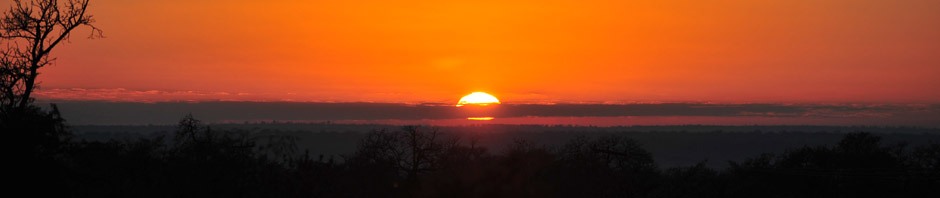
My sister and I were both born and raised in Venezuela. We were oil brats. We lived in Maracaibo and in Caracas. This photo is of Caracas – 3,000 feet above sea level.

As Exxon’s profits escalated during those years, we flourished. We weren’t rich by any stretch of the imagination, but we weren’t hungry, either. We loved Venezuela – its eccentricities, its mountains and valleys, its dramatic beauty. In the U.S, there are snow days and hurricane days, but in Venezuela, we had revolution days, when the political situation was so unstable that there were runs on grocery stores, gas stations, when everything shut down.
After ninth grade, I went away to boarding school in the states. There weren’t any good alternatives for high school in Caracas, so Exxon paid for it. I was15. The culture shock was considerable. I was Heinlein’s stranger in a strange land. I hated it, hated the Massachusetts winter, the restrictions, the way the school tried to shove religion down your throat. I begged my parents to let me return to Caracas to go to school. But in my junior year, the Venezuelan government nationalized the oil industry and my father took early retirement from Exxon and he and my mother moved to Boca Raton, Florida. He was younger than I am now. In those days, Boca consisted of maybe three stop lights.Today, it’s a traffic jam.
In later years, my dad became a memeber of Mensa, the high IQ society. It’s not like he was an active member. He just liked knowing that he, a guy with a high school education, qualified. He often reflected on his three decades in Venezuela as the best he had lived – psychologically, emotionally, spiritually. He regretted certain decisions he’d made, applauded others. But he knew the bottom line was larger than him or his life and that eventually our dependence on oil would suffocate us. He was a Republican, and yet at the end of his life he grew disgusted with politics. He knew the struggle went well beyond how you voted and who was in office.
“It’s always the same,” he said. “We pillage a country that’s rich in natural resources, we cut corners, we create disasters – and then wonder how the hell it happened.”
He might have been describing the present debacle in the gulf.
– Trish