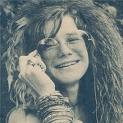
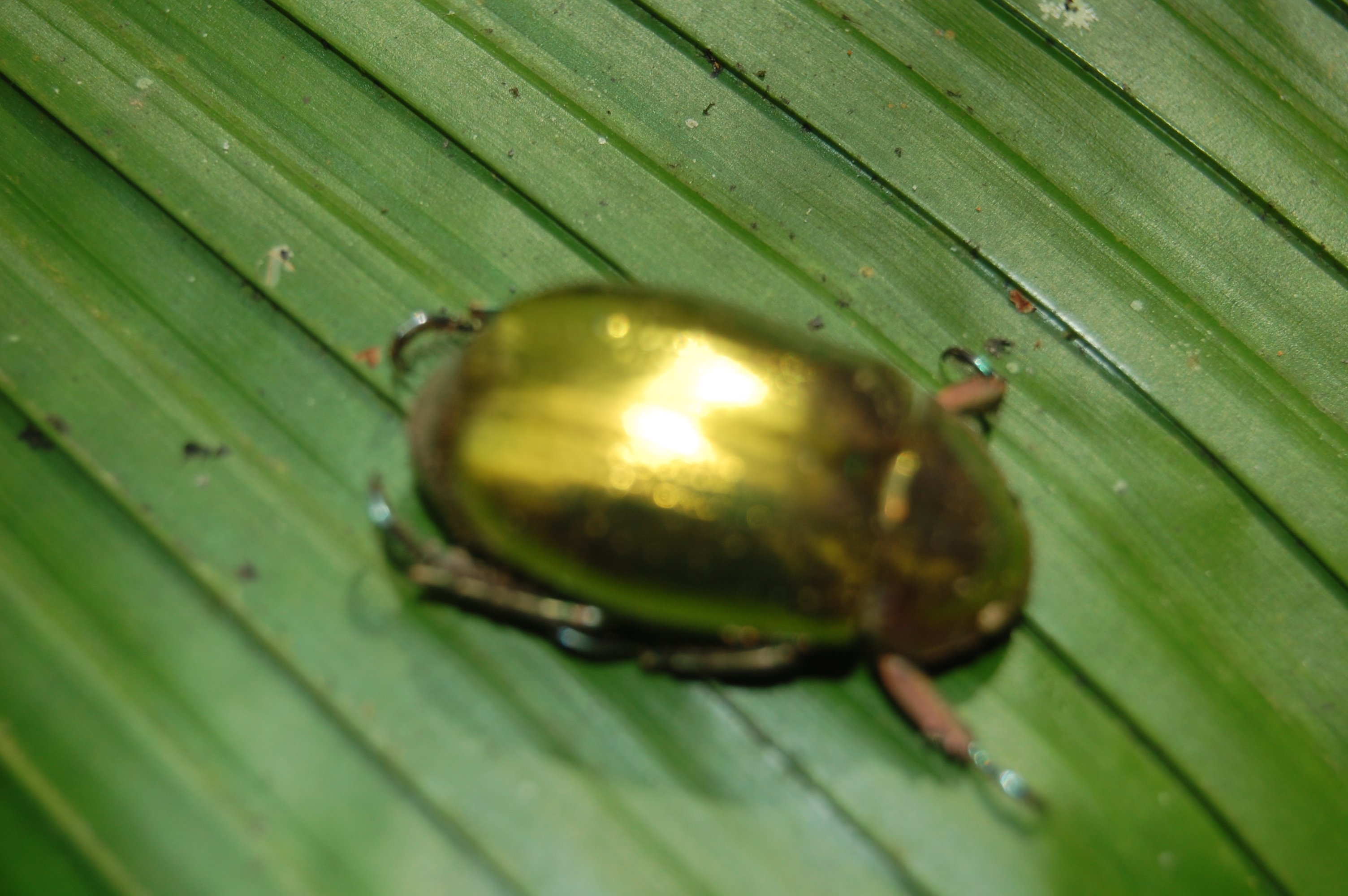
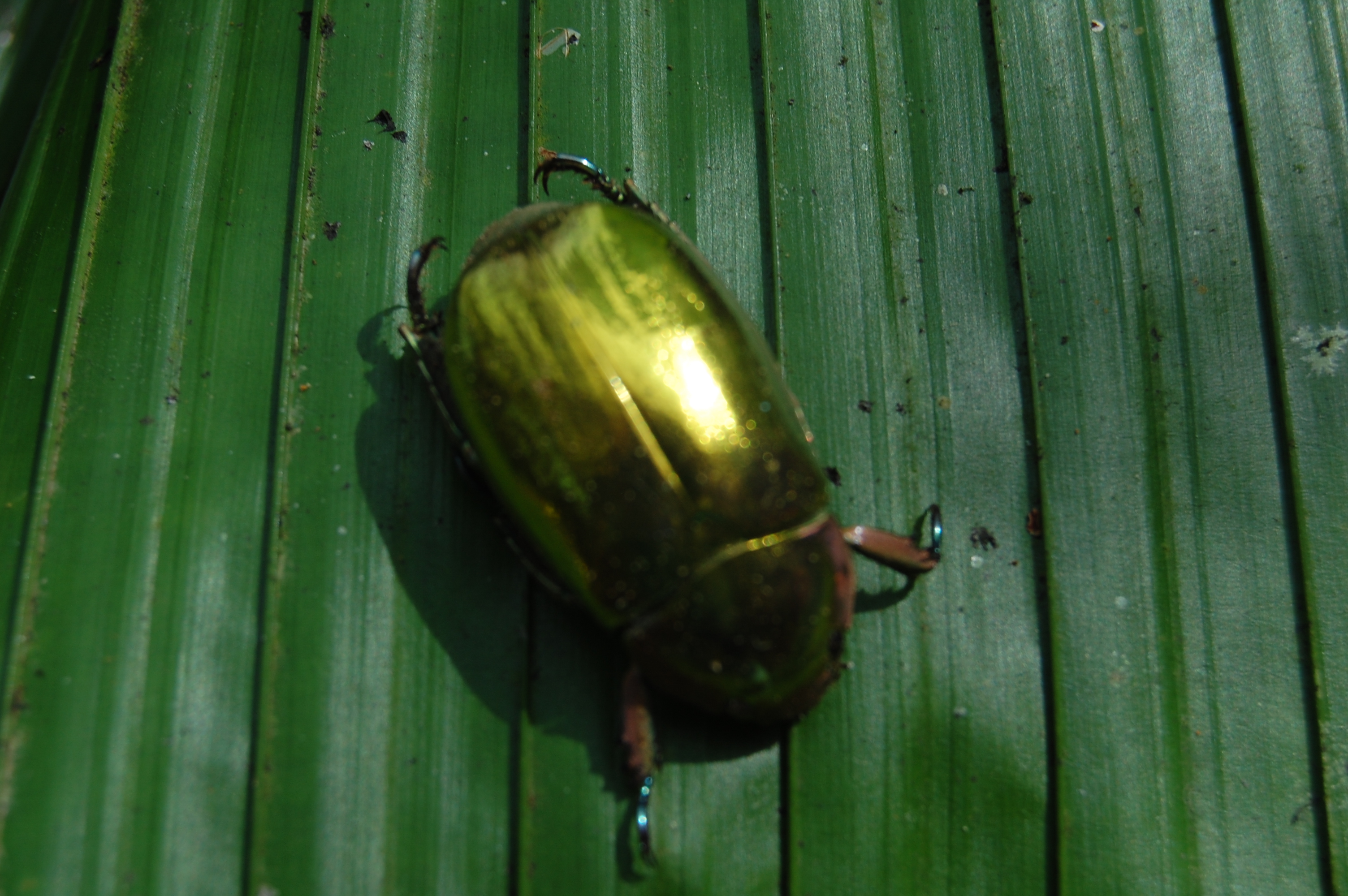
Here’s another winning synchro in our Golden Scarab contest, this one from Andrew Hicks, a musician who lives near Portland, Oregon. By the end of the story, you’ll know who is pictured above with Andrew.
+++
“Back in the late 90’s, I met a guy named Steve. He was my first roommate away from home, and we established a solid friendship. Through Steve, I met a guy named Aaron who was married to a woman named Marcela. Marcela and I became quick friends, but Aaron was really jealous and protective, so he forbid me from having anything to do with her. That happened in summer of 2000.
“By 2002, I lost touch with Steve and frequently wondered what became of him. I would occasionally wonder about Marcela too, and felt like I had missed out on what could have been one of my greatest friendships. Lots of time passed. I had a lot of dreams about reuniting with Steve over the years, and some part of me knew I’d see him again (although the rest of me had its doubts).
“In mid-2009, I attended a “full moon ceremony” at a local new age bookstore in Michigan, where the participants were given amber talismans. I left the ceremony feeling rather euphoric and lighthearted. On the drive home, I noticed that I desperately needed gas, but something inside told me not to go to nearest gas station. The next station was across town, but I went with it. On the radio was a college station’s program that was referring to synchronicity, a topic that I’ve found compelling for many years. When I reached the next gas station, I sort of checked in with my intuition, and an alert went off inside of me, telling me: “Stop here! THIS is the one!”. I laughed at myself, but complied, not really expecting anything in particular.
“Inside of the gas station was a woman named Amy; Steve’s Aunt. We were incredibly excited to see each other; I was sure she would know where Steve was. However, it turned out that she hadn’t seen him for even longer than I had, and she was hoping *I* would know where he was. We had ourselves quite a mystery. We exchanged phone numbers and I went on my way. I was shaken to the core by how awesome it was that I followed my intuition to that place. It felt like a genuinely fateful experience.
“In September of 2009, I was headed out somewhere, when I had the sudden urge to pick up the amber talisman I’d received a couple months prior and put it in my pocket. “Well, why not?” – I pocketed it and went out to do whatever I was doing. That very same day, I received a text message: ‘Hey man, its steve.’
“So, I received a talisman on the night I ran into Amy. The talisman laid neglected on a shelf until the very day that Steve texted me. My mind reeled with gratitude that I was a spectator to such awesome events.
“Steve and I met up that night, and it turned out he was homeless; had just moved back to Michigan from Florida. I let him stay with me for a while, and forced him to get a Facebook account so that we wouldn’t lose touch again.
“Then around rolled 2010, and I received a Facebook friends request from Marcela. I didn’t remember her last name, nor did she remember mine, which is why we didn’t get in touch online sooner. However, she knew Steve’s last name so she found him on Facebook, which led her to me. If all of those events hadn’t brought Steve back into my life and I hadn’t hooked him up with a FB account, Marcela wouldn’t have found me.
“It also just so happened that Marcela was about to visit Michigan (she lives in the Pacific Northwest) in close time-proximity to her finding me online, so we arranged a visit on August 21. During the visit, I found out that she had gotten a divorce almost right after we lost touch, but she was never able to locate my contact information. Like me, she felt like we had a really special friendship and she wondered about me over the years.
“I also realized that her birthday is January 3rd, a date that is hugely significant to me for personal reasons. Furthermore, I’ve been wanting to move to the Pacific Northwest for over ten years, for it is a very special place to me and my heart has felt called there more than once.
“Now Marcela and I are living together near Portland, Oregon; exploring the potential of our friendship and seeing where the universe leads us from here.
“I forgot to mention how Steve got my number. Right after coming back to MI, he went to the hospital for some reason and ran into his Aunt Amy, who was also in the hospital. If they hadn’t been in the hospital at the same time, they would have had no idea how to find each other. Amy gave him my number, and he texted me the next day.
+++
You can find out more about Andrew at his blog here and his band, Anorkai, here.